

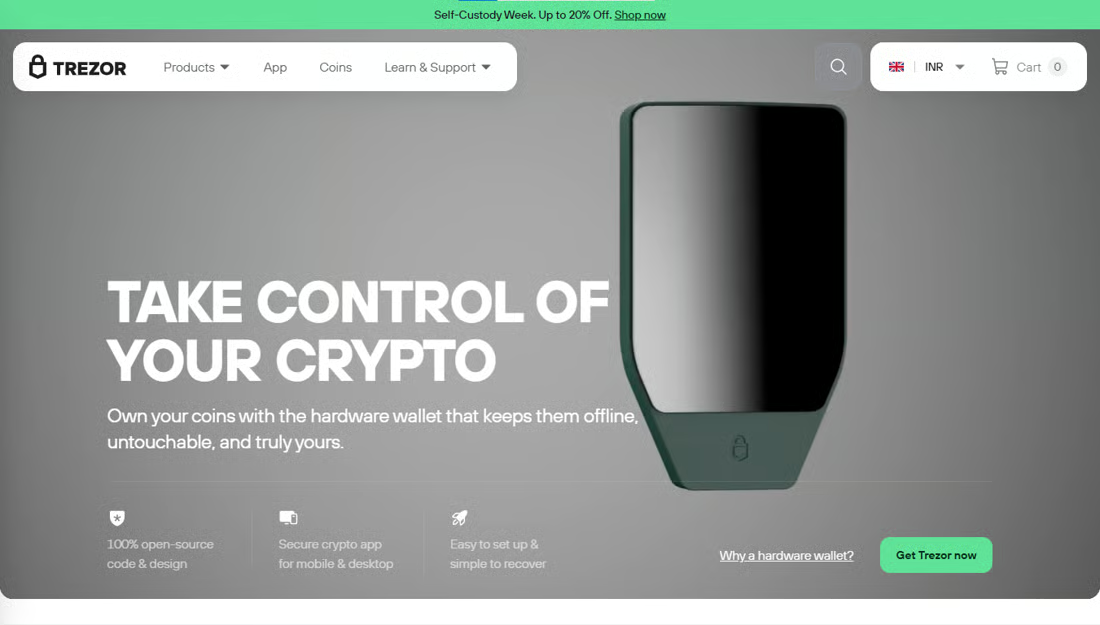
Trezor.io/start: Beginner’s Guide to Wallet Configuration and Crypto Protection
A hardware wallet gives cryptocurrency users a dedicated device for protecting private keys and approving supported transactions. However, setting up a wallet for the first time can raise several questions. How should the device be connected? Which software should be installed? How should recovery information be stored? Trezor.io/start provides a starting point for users who want to understand these steps and prepare a compatible Trezor hardware wallet. This guide covers the setup process, wallet management basics, and practical ways to protect digital assets.Understand Your Hardware Wallet First
Before beginning the Trezor.io/start process, learn what a hardware wallet does. A Trezor hardware wallet is designed to keep private keys protected within a dedicated physical device. When users perform supported transactions, the device provides a way to review and approve the operation. This helps reduce exposure of private keys to ordinary online environments. However, it does not protect users from every scam or mistake. Fake websites, malicious software, and exposed recovery phrases can still put cryptocurrency at risk. Understanding these limitations is an important part of responsible wallet ownership.Check Everything Before Connecting Your Device
A little preparation can make the setup experience easier. First, make sure you have the correct Trezor hardware wallet and a trusted computer. Check that your operating system is updated and that your connection cable is suitable for your device. You should also choose a private location where other people cannot observe your recovery information or device access details. Avoid public computers and unknown software downloads. If your device or setup instructions appear unusual, stop and consult verified Trezor resources before continuing.How to Get Started at Trezor.io/start
The setup process depends on the device model, so always follow the instructions intended for your particular hardware wallet.Access the Correct Setup Resource
Type Trezor.io/start directly into your browser. Verify the spelling and domain before opening the page. Be cautious of websites with similar names or unexpected extra words.Connect Your Trezor Hardware Wallet
Connect the device using the supported connection method. Follow the instructions displayed by your computer and the hardware wallet itself.Access the Appropriate Wallet Software
Follow the verified instructions to install or access the supported wallet management software. Trezor Suite provides tools for managing compatible accounts and supported cryptocurrency activities. Only download software from trusted Trezor sources.Complete the Initial Configuration
Follow the device prompts to complete the setup checks. If your model supports a PIN, choose a code that is difficult for others to guess.Create and Protect Your Recovery Backup
Follow the instructions on your genuine hardware wallet to create and record the recovery phrase. Check the words and their order carefully. Store the backup offline in a secure location. Never photograph it for cloud storage, save it in an online document, or send it through a messaging application.Discover the Features of Trezor Suite
After completing the setup process, explore the available features in Trezor Suite. Depending on device compatibility and software version, users may be able to review account balances, organize supported cryptocurrencies, check transaction records, and prepare supported transfers. Take time to understand the dashboard before performing important operations. Knowing where account information appears can make routine wallet management easier.How to Make Cryptocurrency Transfers More Carefully
Sending cryptocurrency requires careful verification because many blockchain transactions cannot be reversed. Before confirming a transfer, review the recipient address, selected network, amount, and transaction fees. Compare these details with the information displayed on your Trezor device. Never approve a transaction that you do not recognize or understand. If the displayed information differs from your intended payment, cancel the operation and investigate. For a new recipient, consider making a small test transfer before sending a larger amount.Protect Your Wallet From Common Online Threats
Scammers sometimes imitate wallet setup pages or pretend to be customer support representatives. They may claim that your device needs urgent verification or that your recovery phrase must be entered to restore access. These requests should be treated as serious warning signs. Keep these rules in mind:- Never share your recovery phrase.
- Never enter recovery words into an online website.
- Download wallet software only from verified sources.
- Avoid unexpected links and suspicious attachments.
- Keep your operating system updated.
- Confirm transactions directly on your hardware wallet.